
Studio
Grounding Studio
Earth-connected. Nervous system steady.
A reliable way to slow down a busy nervous system, quiet room, steady connection, slower breath.
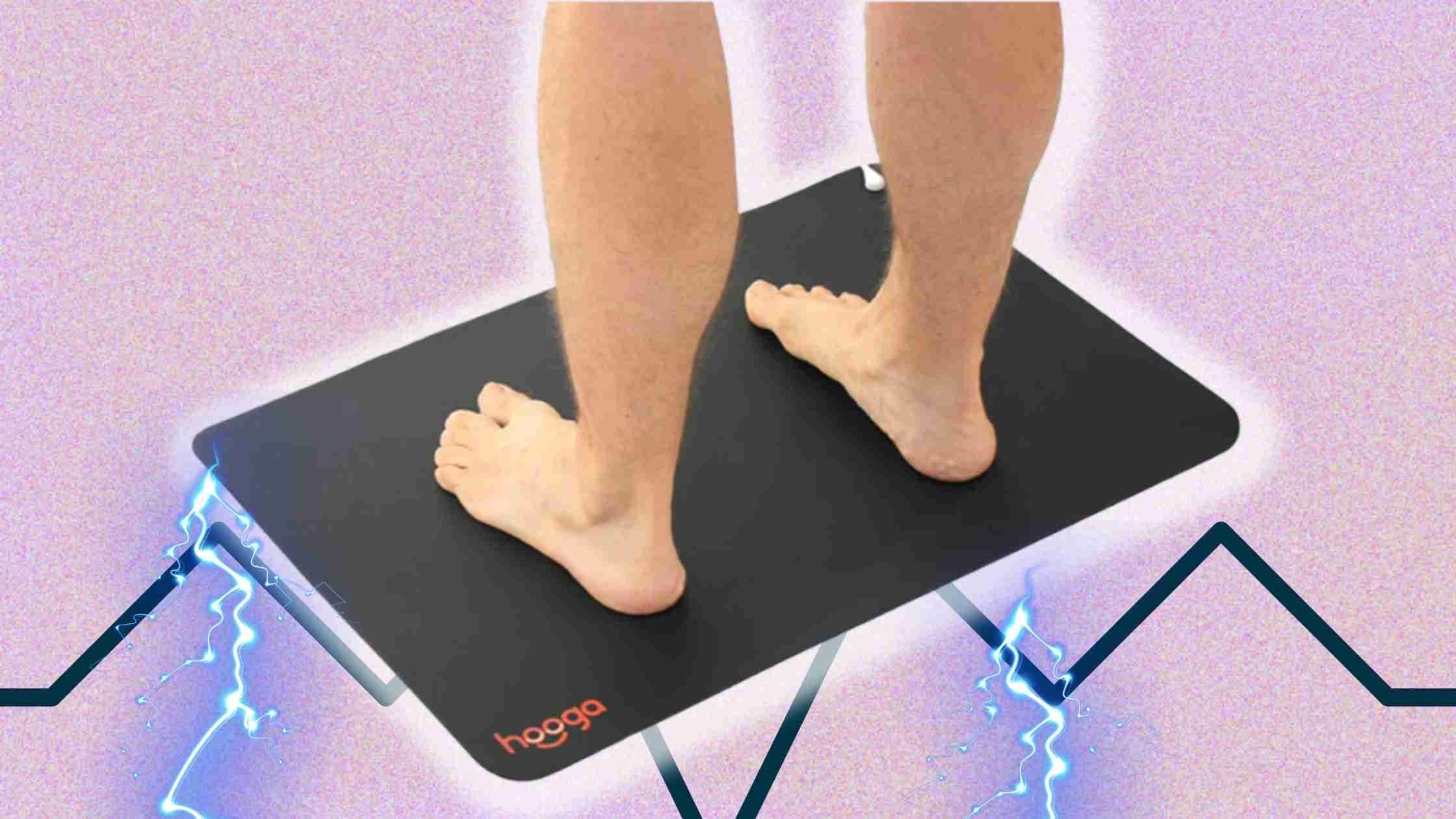
Grounding Studio is a calm, dimly-lit space built around a single idea: let your body rest in direct electrical contact with the earth. You relax on a grounding mat or conductive surface connected by a grounding wire that carries the earth's free electrons indoors, the same connection you'd get walking barefoot on grass or damp soil, only more practical and repeatable.
Sessions are quiet and comfortable, most members pair grounding with slow breathwork or simply close their eyes and let the room do the work. The research base on grounding (or "earthing") is still emerging, but small studies suggest measurable shifts in inflammation markers, stress, and sleep. We treat it as a steady, low-effort reset, not a cure-all.
A reliable way to slow down a busy nervous system, quiet room, steady connection, slower breath.
Members often report an easier wind-down and steadier nights when grounding becomes part of their weekly rhythm.
A settled, more even-keeled feeling, useful for anxious energy, restlessness, or overstimulation days.
Emerging research suggests grounding may help quiet low-grade inflammation, a pleasant complement to your recovery work.
- A direct electrical connection. Grounding mats and conductive surfaces are wired to the earth, allowing the body to equilibrate with the earth's surface potential, the same effect as standing barefoot on damp ground, made repeatable indoors.
- Early signals on inflammation. Small studies and reviews, most notably from Chevalier and collaborators, report shifts in inflammation markers, blood viscosity, and wound-healing imagery after grounding sessions. The evidence base is early, not definitive.
- Stress and sleep signals. Pilot work suggests grounding may shift cortisol patterns and improve sleep quality, particularly in people with disrupted circadian rhythms. Findings are promising but limited by small sample sizes.
- A low-effort nervous-system practice. Beyond the electron-transfer hypothesis, grounding sessions deliver what most reset practices do: a quiet room, a horizontal body, slow breath, and twenty minutes of nothing else to do. That alone is therapeutic.
For the first two weeks, while you learn how your body responds and build the routine.
An ongoing rhythm for steady stress and sleep support.
Lean on it when you need it, grounding is gentle enough to repeat closely.
Typical flow: 20–30 minutes resting on the grounding surface, often paired with slow breathwork or eyes-closed quiet. No heat, no cold, no intensity, the work is the stillness.
Approach with care if you have:
Grounding is one of the gentlest sessions we offer, there's no heat, cold, pressure, or exertion involved. Still, a couple of conditions are worth a quick check-in with our team before your first visit.
- ·A pacemaker, defibrillator, or other implanted electrical device
- ·Active anticoagulant (blood thinner) therapy, grounding may modestly affect blood viscosity
- ·Open wounds or active skin infection at contact points
- ·Pregnancy, generally fine, but mention it during your consultation
📚 Full bibliography, 4 science-backed sources›
Clinical / Sleep & Stress Studies
- Park HJ, Lee GR, Kim Y, et al. Advances in Integrative Medicine (2025), "A randomized, double-blind, placebo-controlled study on the improvement of sleep quality with Earthing mat." 60 participants, 31 days; the grounded group showed improved insomnia severity, stress, and daytime sleepiness versus baseline.
- Ye M, Jeong W, Yu HJ, et al. International Journal of Molecular Sciences (2024), "Effect of Earthing Mats on Sleep Quality in Rats." EEG analysis found earthing-mat exposure reduced wake time and increased REM/NREM sleep, offering a mechanistic complement to the human sleep findings.
Grounding (earthing) research is an emerging field with mostly small studies. We've curated recent peer-reviewed work and a balanced summary rather than overstating the evidence base. This bibliography is reviewed and refreshed quarterly, see the next refresh window in our process documentation.
Where to start
Come and try Grounding Studio.
A Day Pass is one visit, no membership and no commitment. Or begin with a Wellness Snapshot and we will tell you where you actually stand before you decide anything.
Recharge Wellness Club · Danvers, MA