
Studio
Pulse Studio
Pulse. Recover. Rebuild.
Stubborn aches, swelling, and the slow-burn inflammation that lingers after hard weeks, Pulse offers a gentle, drug-free way to support the body's recovery signals.
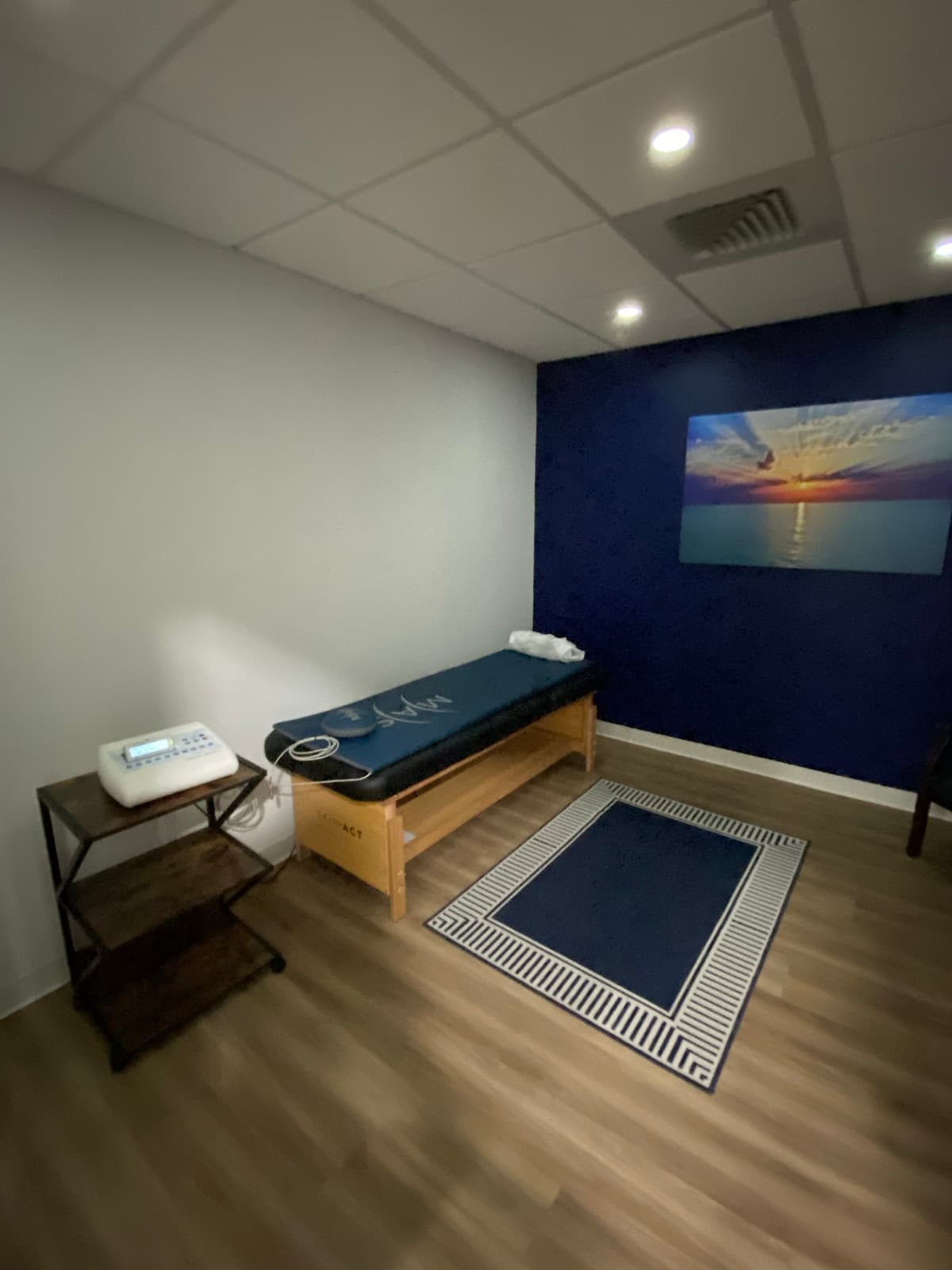
Pulse Studio is built around a single, quiet service: PEMF, Low Intensity (Pulsed Electromagnetic Field). You lie on a PEMF mat, or sit comfortably with the applicator positioned over the area you'd like to support, while the device delivers gentle, low-intensity pulsed electromagnetic fields. The technology is FDA-cleared for bone healing and has become a widely used adjunct for recovery and inflammation routines.
The session itself is calm and uneventful, most members feel nothing dramatic during the 20–30 minute window. The work happens at the cellular level, and the payoff shows up later: easier next-day recovery, less lingering inflammation, and a quieter body when it's time to wind down.
Stubborn aches, swelling, and the slow-burn inflammation that lingers after hard weeks, Pulse offers a gentle, drug-free way to support the body's recovery signals.
Soreness, stiffness, and slow bounce-back days. PEMF is a low-effort recovery layer that stacks well with sauna, cold, and sleep.
An evening Pulse session is one of the quietest ways to downshift the body, no heat, no cold, just stillness on the mat.
Low-grade fatigue and "running on empty" days, Pulse supports cellular energy processes that many members feel as steadier daytime energy.
- FDA-cleared technology. Pulsed electromagnetic field devices have been FDA-cleared for decades for specific bone-healing indications, a foundation that distinguishes PEMF from unregulated wellness gadgets.
- Cellular-level signaling. Low-intensity PEMF is studied for its effect on cellular signaling pathways involved in tissue repair, inflammation modulation, and microcirculation, the mechanisms behind its recovery use.
- Recovery + musculoskeletal pain. A growing body of clinical literature catalogs PEMF use for post-exercise recovery, osteoarthritis pain, and other musculoskeletal complaints, with generally favorable safety profiles.
- Quiet, passive, repeatable. Unlike heat or cold protocols, PEMF requires no physical exertion or adaptation. It pairs well with the rest of a recovery stack and is sustainable as an ongoing routine.
For the first 2–3 weeks, while you learn how your body responds and the recovery effects compound.
Ongoing rhythm for steady recovery support and inflammation maintenance.
If you're stacking workouts or working through a flare-up, Pulse is safe to repeat often.
Typical flow: 20–30 minutes on the PEMF mat in a quiet, private room. Bring a book, close your eyes, or simply rest. The sweet spot is consistency over time, not intensity in a single session.
Approach with care if you have:
A few situations require a quick check-in with our team or your provider before starting Pulse. If anything below sounds like you, mention it on your visit and we'll personalize the routine.
- ·Pacemaker, defibrillator, or any implanted electronic device
- ·Insulin pump or other active medical implant
- ·Pregnancy
- ·Active bleeding or clotting disorders
- ·Recent surgery with hardware not yet cleared by your provider
- ·Uncontrolled seizure disorder
- ·Active cancer treatment, unless cleared by your provider
📚 Full bibliography, 7 science-backed sources›
Medical Institutions
- Frontiers in Pain Research (2026), Systematic review of low- and high-intensity magnetic field therapies for orthopedic pain: pain and functional benefits with favorable safety profiles and no serious adverse events.
- U.S. Food & Drug Administration / Federal Register (2026), FDA final order reclassifying non-invasive bone growth stimulators, the regulatory framework underpinning PEMF for bone-healing indications.
Mechanisms & Reviews
Clinical Evidence, Musculoskeletal & Recovery
- NCBI / PMC, Frontiers in Sports and Active Living (2026), Systematic review of PEMF therapy effects on pain and physical function in soft-tissue injuries.
- NCBI / PMC, Turkish J. Physical Medicine and Rehabilitation (2024), Double-blind, randomized controlled trial of pulsed electromagnetic field therapy for knee osteoarthritis: reduced pain and improved stiffness and physical function versus sham.
National Library of Medicine
PubMed entries that point to the same studies cited above have been deduplicated where canonical full-text PMC versions exist. This bibliography is reviewed and refreshed quarterly, see the next refresh window in our process documentation.
Where to start
Come and try Pulse Studio.
A Day Pass is one visit, no membership and no commitment. Or begin with a Wellness Snapshot and we will tell you where you actually stand before you decide anything.
Recharge Wellness Club · Danvers, MA