
Studio
Hydro Studio
Warm water. Quiet body. Reset.
The flow is built for one outcome: warmth, buoyancy, and low stimulation, then a fast circulatory reset that leaves you feeling looser, calmer, and ready to move on with your day.
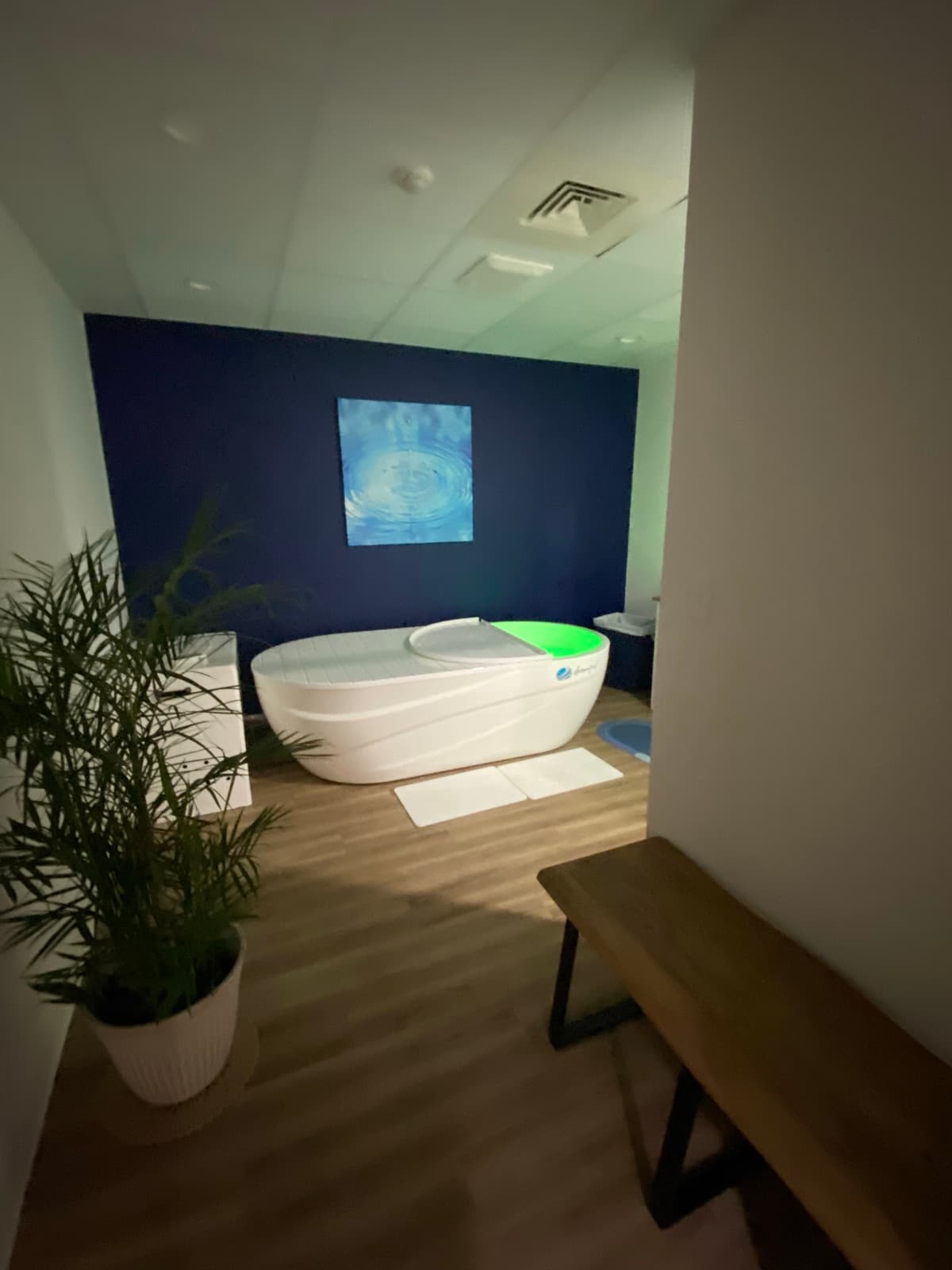
Hydro Studio pairs two complementary experiences into one calm, private session: a warm Mineral Soak Bath in the Dream Pod Mineral Soaker, designed for hotter-than-standard float temperatures, followed by an Aromatherapy Steam Shower with four body jets and a rain finish.
The flow is built for one outcome: warmth, buoyancy, and low stimulation, then a fast circulatory reset that leaves you feeling looser, calmer, and ready to move on with your day.
Wired-and-tired days, overthinking, anxious energy, Hydro's warmth and quiet help downshift the nervous system.
Soreness, tightness, and general recovery, buoyancy unloads the body and warm water eases tension.
A warm-water session in the evening helps shift the body toward a sleep-ready state.
A quiet, repeatable wellness practice, not a one-off treatment.
- Nervous-system downshift. Warm-water immersion + low stimulation is a documented pathway to a calmer mind and quieter body, supported by recent floatation-REST research in anxious and depressed populations.
- Buoyancy + warmth. Warm-water immersion eases muscular tension and creates a "looser body" feel, consistent with broader hydrotherapy literature.
- Steam + scent finish. An aromatherapy steam shower closes the session with circulatory and respiratory comfort, supported by Cleveland Clinic and Mayo Clinic guidance on hydrotherapy benefits.
- Athlete-validated recovery. Floatation-REST research in collegiate athletes found high satisfaction and frequent self-reported soreness and stress improvements.
For the first 2–3 weeks, while your body builds tolerance and the routine.
Ongoing rhythm for consistent relaxation and tension relief.
If tolerated well, with attention to hydration.
Typical flow: Mineral Soak Bath 20–30 minutes → Aromatherapy Steam Shower 3–8 minutes. The sweet spot is consistency, not intensity.
Approach with care if you have:
None of these are off-limits, our team will walk you through a personalized routine during your consultation. If anything below sounds like you, mention it on your visit.
- ·Uncontrolled blood pressure or unstable heart disease
- ·History of fainting or dizziness
- ·Respiratory sensitivity (asthma, COPD)
- ·Fragrance or essential-oil sensitivity
- ·Uncontrolled seizure disorder
- ·Open wounds, active skin infection, or fever
- ·Pregnancy, unless cleared by your provider
📚 Full bibliography, 9 science-backed sources›
Medical Institutions
Clinical Evidence
- Journal of Pain Research (2026), Scoping review: floatation-REST for chronic pain and associated comorbidities (anxiety, depression, sleep).
- BMC Complementary Medicine and Therapies (2025), Systematic review: flotation-REST evidence base.
- BMJ Open Sport & Exercise Medicine (2024), Floatation-REST vs napping (HRV + experience; active individuals).
Sports Medicine & Recovery
Minerals & Skin (balanced view)
- National Geographic (2024), On Epsom-salt bath claims: what's supported vs overstated, with MGH / Harvard dermatologist commentary.
- The Lancet Global Health (2024), Global estimation of dietary micronutrient inadequacies (includes magnesium).
- Nutrients (2025), Review of global dietary magnesium deficiency patterns.
PubMed-index URLs that pointed to the same studies cited above (BMC, Lancet, PMC) have been deduplicated. This bibliography is reviewed and refreshed quarterly, see the next refresh window in our process documentation.
Where to start
Come and try Hydro Studio.
A Day Pass is one visit, no membership and no commitment. Or begin with a Wellness Snapshot and we will tell you where you actually stand before you decide anything.
Recharge Wellness Club · Danvers, MA